Address
Riyadh, Saudi Arabia
Address
Riyadh, Saudi Arabia
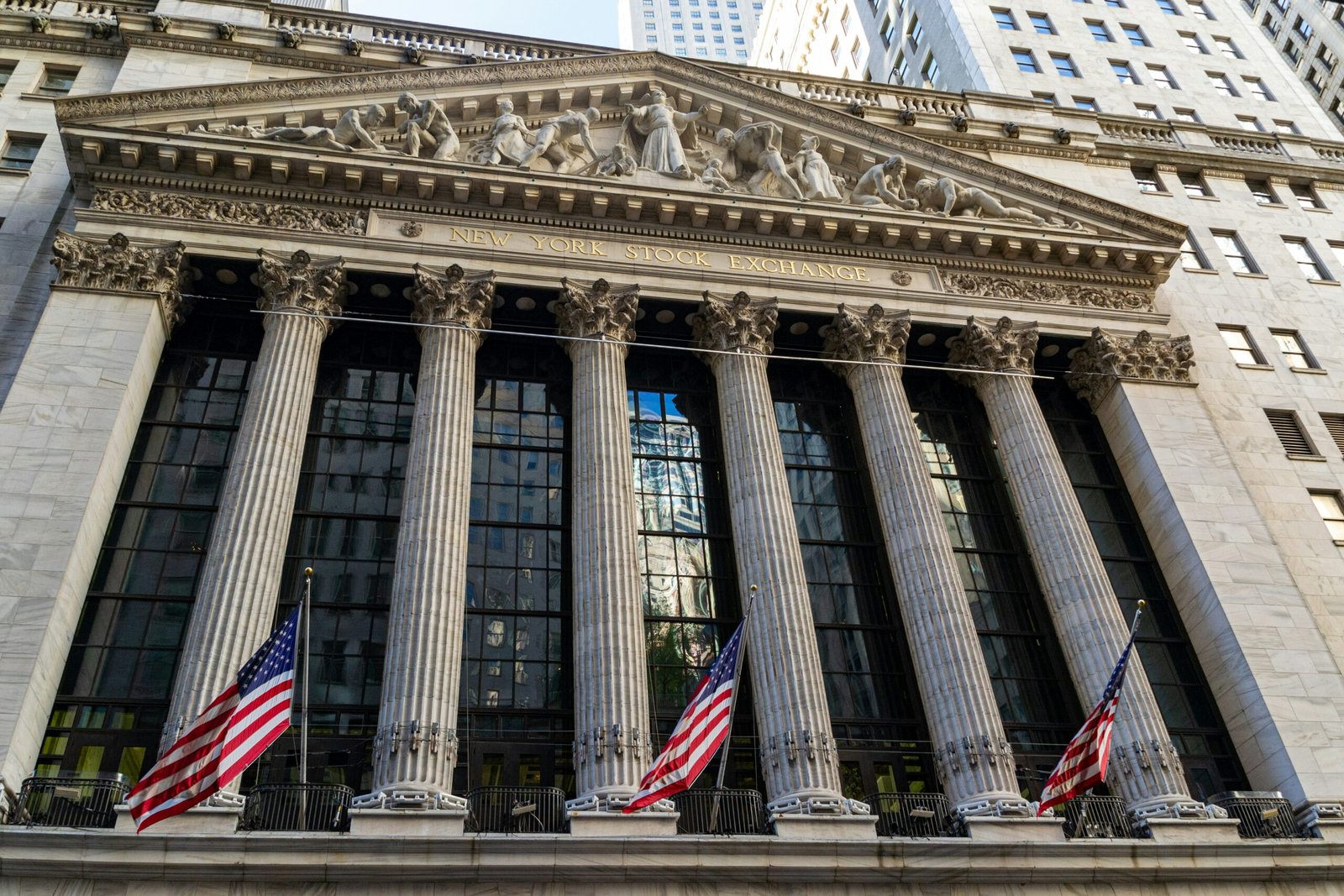
You can buy shares of companies like Apple and Microsoft while in Saudi Arabia, through a licensed broker that gives you access to the US market. This guide explains the path from the beginning, even if you haven’t bought a single stock before.
US stocks are ownership stakes in companies listed on US stock exchanges. When you buy a stock, you become a junior partner in the company, and you profit in two ways: if the stock price rises above your purchase price, or if the company distributes a portion of its profits to shareholders.
The two most famous exchanges in the United States are:
The most prominent reason is diversification. The Saudi market is affected by specific sectors that hold significant weight in the index, such as banks, energy, and basic materials. The US market gives you the opportunity to invest in sectors not locally available at the same scale, such as software, semiconductors, and biotechnology. When you diversify between the two markets, your portfolio does not rely on the performance of a single economy or a single sector.
There is an advantage that many overlook: the Riyal is pegged to the US Dollar at a fixed rate, so the Saudi investor is not exposed to exchange rate fluctuations when investing in dollars, which is a risk borne by investors in many other countries.
On the other hand, there are things you must take into account before starting: the time difference, transfer and commission fees, the US tax on dividends, and the necessity to verify the Sharia compliance of companies if that matters to you. We will explain each of them in detail.
The form is briefly a certificate proving that you are not a tax resident in America. According to the US IRS, it is used by a foreign individual to establish that they are the beneficial owner of the income, and to claim a reduced tax rate if there is a tax treaty between their country and the United States.
The practical point here relates to cash dividends. If the broker does not have a valid form, a default withholding rate of 30% is applied to dividends. So if you buy a dividend-paying stock, expect a portion of it to be deducted before it reaches your account, and ask your broker about the rate that applies to you. As for profits resulting from the rise in the stock price when sold, they are not subject to this withholding in the same way. The form is not permanent, as it remains valid until the end of the third calendar year after signing it, unless your information changes.
The official trading session on the New York Stock Exchange runs from 9:30 AM to 4:00 PM New York time, from Monday to Friday. Since America observes Daylight Saving Time and Saudi Arabia does not, the timing changes for us twice a year:
| Period | Open (Saudi Time) | Close (Saudi Time) |
|---|---|---|
| US Daylight Saving Time (roughly March to early November) | 4:30 PM | 11:00 PM |
| US Standard Time (roughly November to March) | 5:30 PM | 12:00 Midnight |
The market closes on official US holidays, some of which are unknown to us such as “Good Friday,” and it closes early at 1:00 PM New York time on specific days like the day after Thanksgiving. Check the official holiday calendar before placing your orders.
Some platforms also offer pre-market and after-hours trading, but liquidity is much lower and prices are more volatile, so it is often limited to limit orders. As a beginner, stick to the official session.
Fees vary from one broker to another, so compare these items before opening an account: