Address
Riyadh, Saudi Arabia
Address
Riyadh, Saudi Arabia

Editor’s Note: The “Oil Prices Today” section is updated daily or weekly, and the rest of the content remains static.
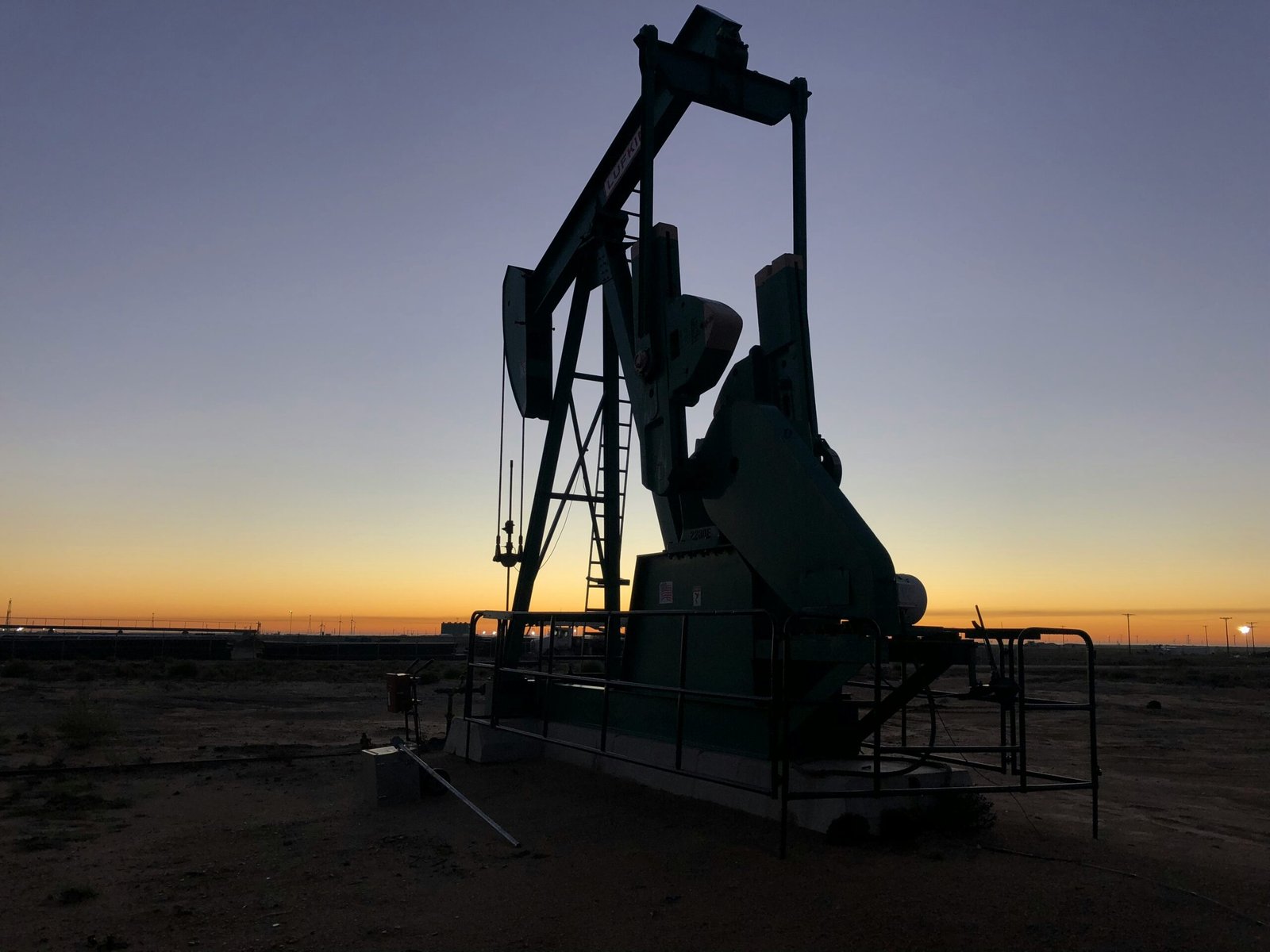
Oil is not just a commodity in Saudi Arabia, but rather the state’s largest source of revenue. Therefore, its price reflects on government spending and the stock market, and even on the decisions of individual investors.
| Crude | Price (USD per barrel) | Daily Change |
|---|---|---|
| Brent Crude (November contract) | 105.13 | +2.05 (+1.99%) |
| West Texas Intermediate (November contract) | 93.76 | +1.60 (+1.74%) |
Oil prices rose in Thursday’s trading, as Brent crude climbed about 2% to close above $105 a barrel, while West Texas Intermediate (WTI) rose 1.7% to around $93.8, keeping prices at historically high levels since the supply disruptions in the region this year.
They are two benchmark prices upon which oil is priced around the world. According to the US Energy Information Administration, the three most important global benchmarks are Brent, West Texas Intermediate, and Dubai/Oman. Brent is the most widely used globally, and it is a blend of oils produced in the North Sea.
As for WTI, it is the main benchmark for US oil. The rest of the oil types are priced at a differential to these benchmarks depending on their quality and transportation costs. When you hear in the news that “oil has risen,” it most often refers to the price of Brent.
The price of oil is the result of a continuous balance between supply and demand, but prices are not only affected by current supply and demand, but also by future expectations. Therefore, the price may move sharply due to news that has not yet affected actual production.
On the supply side, the OPEC organization and the OPEC+ alliance (which includes non-member producing countries, the largest being Russia) play a pivotal role. According to the US Energy Information Administration, OPEC countries produce about 35% of the world’s crude oil, and their exports account for nearly half of the internationally traded oil. Historically, prices rise when the organization cuts its production targets. Added to this is US shale oil production, and the spare production capacity available to compensate for any interruption.
On the demand side, consumption is linked to the health of the global economy. When the Chinese and American economies grow, the need for fuel increases, and when signs of a recession loom, demand and prices fall. The price of the dollar also has an effect, because oil is priced in it, so a strong dollar makes oil more expensive for buyers with other currencies.
Geopolitical events can change the whole picture in a matter of days. In the first quarter of 2026, for example, oil prices rose sharply after supply disruptions in the Middle East, and Brent rose more than WTI due to the impact on shipping and flows near the Strait of Hormuz. This is a clear example of expected risks being added to the price even before the actual size of the shortage becomes clear.
Not to the same degree. According to a KPMG report on the 2026 budget, the non-oil sector accounted for 55.6% of the real gross domestic product in the first half of 2025, compared to 45.4% in 2016, i.e., before the launch of Vision 2030.
This means that the economy has become more diversified, and that the impact of oil on economic growth is less than it was a decade ago. However, government revenues still rely heavily on it, and therefore the price of oil remains an important indicator for everyone who follows the Saudi economy and market.
Not always. The relationship is strong but not automatic.
You do not need to trade oil itself. It is enough to follow its general trend to understand why some of your stocks move, and to read economic news with greater awareness. If your portfolio is concentrated in energy and petrochemical stocks, you are exposed to oil fluctuations more than you think, and diversifying into other sectors mitigates this effect.
Someone who invests for many years does not need to react to every daily movement in oil, but rather needs to understand the major trends and their impact on the companies they own.