Address
Riyadh, Saudi Arabia
Address
Riyadh, Saudi Arabia
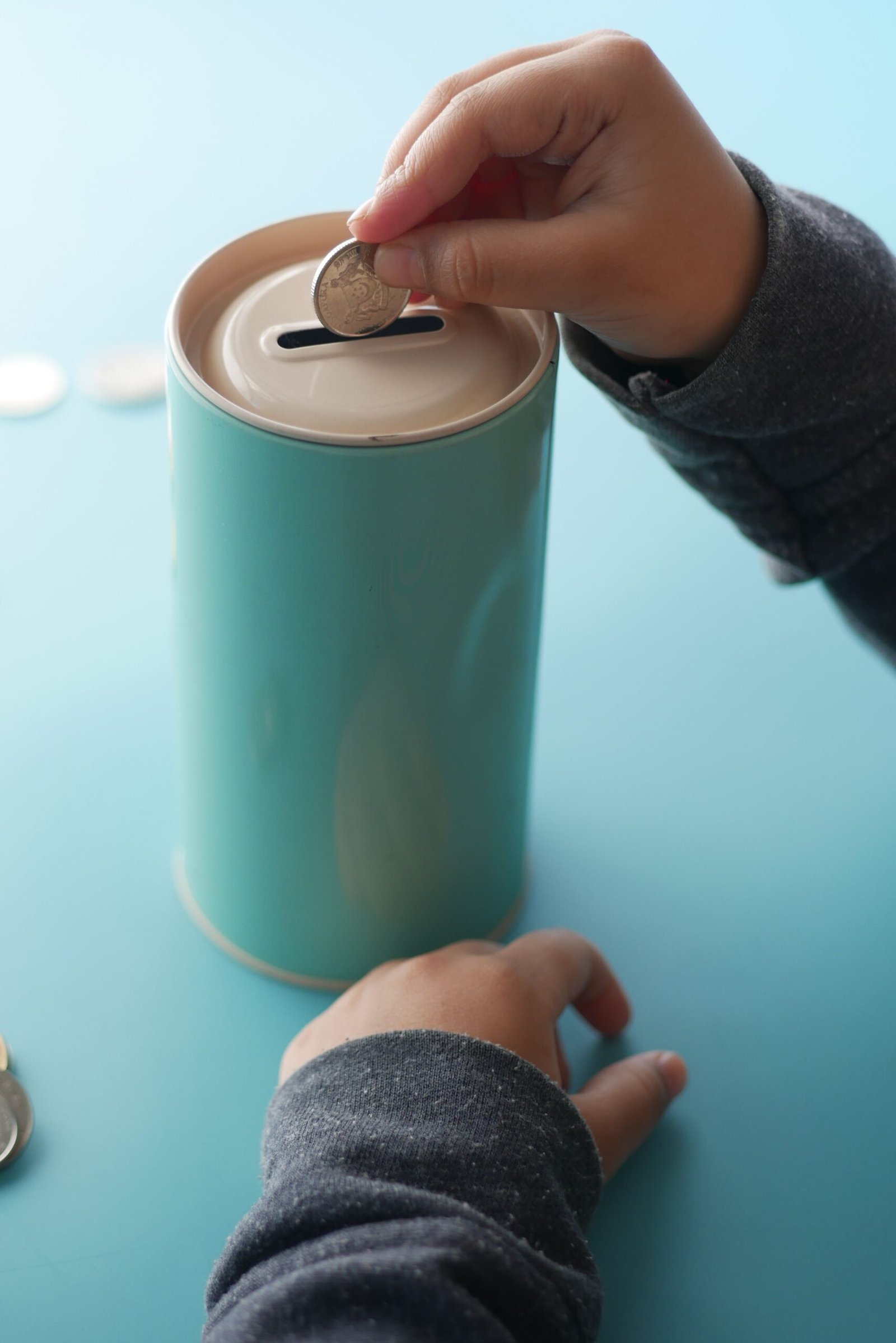
Saving means setting aside a portion of your income regularly and keeping it instead of spending it, to use in emergencies or to achieve a future goal. The simplest rule to start is: save first, then spend, not the other way around.
In this guide, we explain the meaning of saving, the most important ways to save money that actually work, a practical plan to save from your salary, and where to safely keep your savings in Saudi Arabia.
The definition of saving is simply: it is the difference between what you earn and what you spend, when you intentionally keep this difference. If your monthly income is 10,000 Riyals and you spend 8,500, then the remaining 1,500 is your saving.
But successful saving is not what is left by chance at the end of the month. It is a prior decision in which you set a fixed amount to deduct from your income, treating it as a monthly commitment like rent or the electricity bill.
Saving at the national level is also one of the priorities of Vision 2030; the Financial Sector Development Program aims to raise the savings rate of Saudi households from 6% to 10% of income by 2030.
Before choosing any method, record your expenses for at least one month. Use a bank app or a simple spreadsheet, and divide expenses into categories: housing, food, transportation, bills, subscriptions, entertainment, and purchases.
Most people discover that a large part of their spending goes to small, recurring expenses they don’t notice: food delivery, daily coffee, and unused digital subscriptions. This is the easiest space to save without feeling a major difference in your life.
This rule is a starting point, not a law. If your rent is high, you might start by saving 10% and then gradually increase the percentage with every increase in your income.
Let’s assume your salary is 10,000 Riyals monthly. Here is a simple plan to start:
With this plan, your savings will reach 18,000 Riyals in the first year, without any return. If your income is lower, start with any possible amount, even 300 Riyals. The habit is more important than the amount at the beginning.
Before any other goal, build an emergency fund that covers your basic expenses for 3 to 6 months. If your basic expenses are 6,000 Riyals monthly, you need between 18,000 and 36,000 Riyals.
Keep this amount in a safe and easy-to-withdraw place, because its value lies in its availability when needed, not in the return it generates. Someone working a stable job may be content with three months, while those with variable income or freelancers need six months or more.
Leaving savings in a checking account is safe, but it generates no return. There are low-risk options that generate a return while relatively preserving capital:
| Option | Return | Ease of Withdrawal | Risks | Suitable For |
|---|---|---|---|---|
| Checking Account | None | Immediate | Very Low | Monthly expenses |
| Sharia-compliant savings accounts and deposits | Variable depending on the bank | Medium, may be restricted by duration | Low | Emergency fund and short-term goals |
| Government Sahh Sukuk | Fixed for one year (4.8% in Sept 2026 issuance) | During specific redemption windows | Very Low | Savings you won’t need for a year |
| Money Market Funds | Variable, follows interest rates | Usually within a few days | Low | Those who want return with good liquidity |
About Sahh Sukuk: It is a government Sharia-compliant savings product issued by the Ministry of Finance through the National Debt Management Center, offered monthly with a fixed return for one year. The minimum subscription is 1,000 Riyals and the maximum is 200,000 Riyals per individual across all issuances. It is available to Saudi citizens over 18 years old via a number of approved financial institutions. The return is determined with each issuance; it was 4.58% in February 2026 and 4.60% in June.
For comparison, inflation in Saudi Arabia was 1.8% in August 2026. This means a tool with a 4.8% return preserves the purchasing power of your savings and grows it slightly, while money left in a checking account loses part of its real value every year.
When the emergency fund is complete and the saving habit is established, the next step comes: redirecting a portion of long-term savings into investments that generate greater growth over the long run. Saving protects your money, and investing grows it, and each has a different role. Learn the difference between them and when to transition from one to the other in our article.
This article is for educational purposes and is not considered personal financial advice.