Address
Riyadh, Saudi Arabia
Address
Riyadh, Saudi Arabia

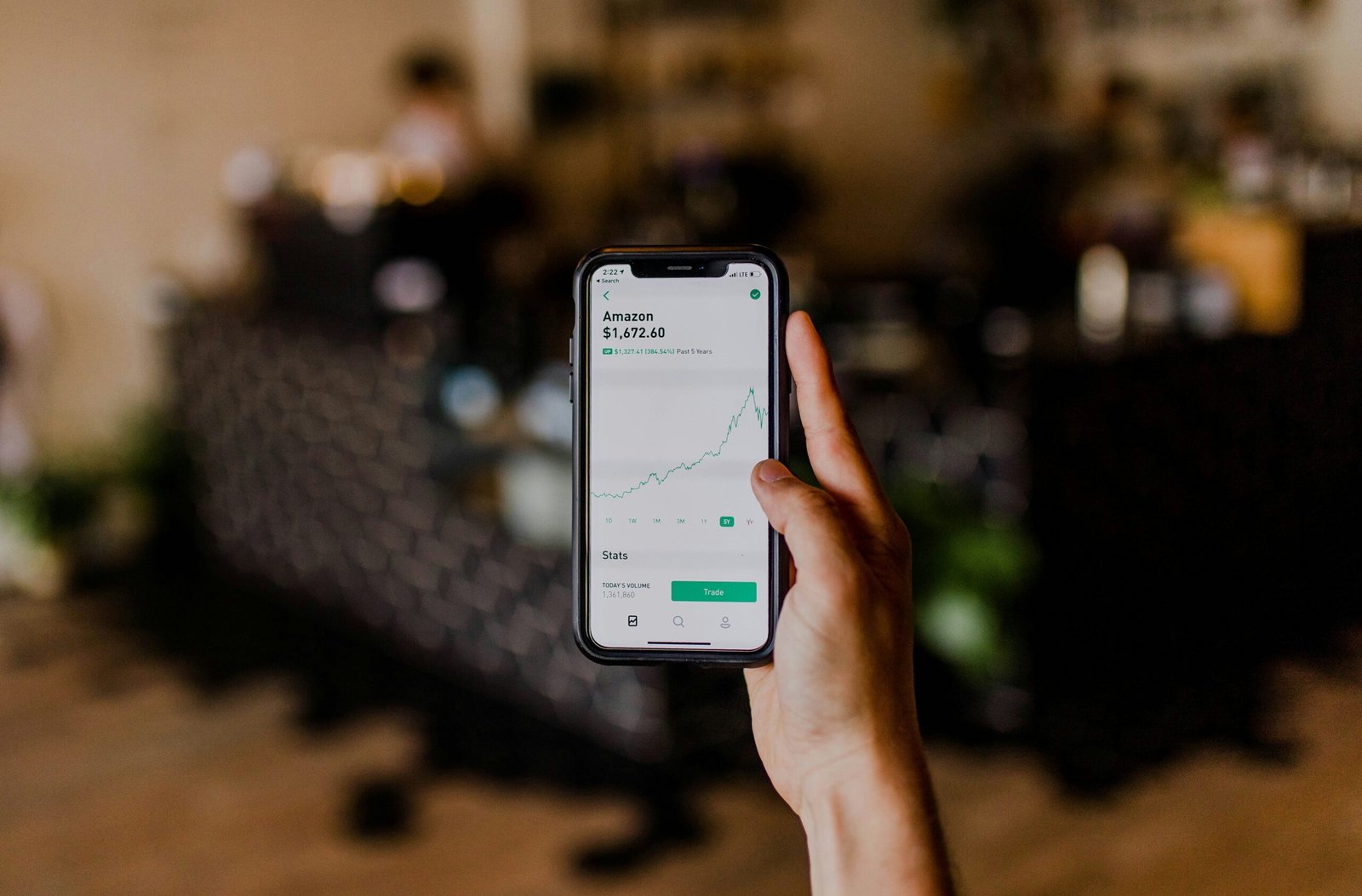
Stock trading means buying and selling the shares of listed companies to profit from price differences or dividends. A beginner starts by setting a goal and a budget, then learns the basics of analyzing a stock and practices on a virtual account. Only then do they place real orders, starting small, and they set a maximum loss before buying. If you have not opened a portfolio yet, you will find the steps in our article How to Buy Stocks in Saudi Arabia.
Both involve buying and selling shares, but they differ in time horizon, goal and how decisions are made. Choosing between them is your first decision, because it shapes how you analyze stocks and how much risk you take:
| Comparison | Investing | Trading (speculation) |
|---|---|---|
| How long you hold a stock | Usually years | Days to weeks, sometimes shorter |
| Source of profit | Company growth and cash dividends | The price difference between buying and selling |
| Basis for decisions | The strength and financial position of the company | Price movement, trading volume and news |
| Number of trades | Few | Many |
| Effect of commissions | Limited | Larger, because they repeat with every trade |
| Level of risk | Usually lower | Usually higher |
Neither is better than the other. What matters is knowing what you are doing and why, and not turning a losing short-term trade into a “long-term investment” just because it lost money.
There are seven steps. Some come before your first trade and some after it:
There are two main schools of stock analysis, and many traders use a mix of both:
| Comparison | Fundamental analysis | Technical analysis |
|---|---|---|
| What it studies | The company itself: profits, revenue, debt and dividends | Price movement and trading volume on charts |
| Question it answers | Is the company strong, and is the price fair? | When do I enter and when do I exit? |
| Best suited to | Medium and long-term investing | Short-term trading |
| Data source | Financial statements and company announcements on the exchange website | Charts in the trading app |
Watching the overall market also helps you see the bigger picture, as we explain in our article on the TASI index today.
Most trading apps have a screen for each stock that brings together the data below. Reading it top to bottom gives you a quick picture before you place an order. Field names and layout vary by app:
| Data | What it tells you |
|---|---|
| Last price and percentage change | Where the stock is trading now, and how much it has moved since the previous day’s close |
| Bid and ask prices | The best price you can sell at (bid) and the best price you can buy at (ask). The gap between them is an indirect cost |
| Day high and day low | Today’s trading range and where the current price sits within it |
| Trading volume | Whether the stock trades actively enough for you to get in and out easily |
| Quantities at the bid and ask | Whether there are enough orders at nearby prices |
You will meet these terms in every trading app, and understanding them helps you avoid entry mistakes:
| Term | Meaning |
|---|---|
| Ask price | The lowest price sellers are willing to accept right now |
| Bid price | The highest price buyers are willing to pay right now |
| Trading volume | The number of shares traded over a given period |
| Liquidity | How easily a stock can be bought or sold without moving its price much |
| Tick size | The smallest allowed change in a stock’s price. It varies by price range, and the Saudi Exchange revised it in June 2025, as reported by Gulf News |
| Cash dividends | A portion of a company’s profits paid out to shareholders |
| Market order and limit order | The first guarantees execution and the second guarantees price. We explain the difference in our article on buying stocks |
Your real profit is the selling price minus the buying price, after commissions, which are charged on both the purchase and the sale. In the example below, we assume a 0.155% commission on each transaction, the rate SAB Invest publishes for local stocks. The example is illustrative and does not include any other fees or taxes:
| Item | Value |
|---|---|
| Buy 100 shares at SAR 25 | SAR 2,500 |
| Buy commission (0.155%) | SAR 3.88 |
| Sell 100 shares at SAR 27 | SAR 2,700 |
| Sell commission (0.155%) | SAR 4.19 |
| Profit before commissions | SAR 200 |
| Total commissions | SAR 8.06 |
| Net profit | SAR 191.94 |
The stock must first rise enough to cover both commissions before you make a profit. Every extra trade adds commissions, which is why frequent traders feel their impact more than long-term investors.
Before you buy, write down three prices: your entry price, your target price and your exit price if the trade goes against you. Then compare the expected profit with the potential loss, after commissions in both cases. Using the same example, and assuming an exit at SAR 24 if the stock moves against you:
| Scenario | Selling price | Result after commissions |
|---|---|---|
| Stock reaches the target | SAR 27 | Profit of SAR 191.94 |
| Stock reaches the exit price | SAR 24 | Loss of SAR 107.60 |
The expected profit here is about 1.8 times the potential loss. If the potential loss in your plan is larger than the expected profit, reconsider the trade before you enter it. The numbers are hypothetical, for illustration only, and are not a forecast of any stock’s price.
No trading is risk-free, but the following rules limit losses and protect you from rushed decisions:
| Rule | How to apply it |
|---|---|
| Define your loss before entering | Write down the price at which you will exit if the stock moves against you, and stick to it |
| Do not put all your money in one trade | Spread your money across more than one stock or sector |
| Start with a small amount | Increase it gradually once you show you can stick to your plan |
| Avoid emotional decisions | Do not buy out of fear of missing out, and do not sell out of fear of a passing dip |
| Trade with your own money | Do not borrow to trade, and do not use your emergency savings |
The Saudi Exchange sets daily price limits to protect traders from sharp swings. Under rules announced in 2020 and reported by Mondo Visione, the daily limit for main market stocks is ±10%, with a wider ±30% limit for newly listed stocks during their first three trading days only. When a price hits the 10% limit, a five-minute auction begins and a new limit is set from its result. Because rules can change, check the current limits on the exchange website before building a plan around them.
No, but you do need to learn the basics first. Start with the beginner guides the Saudi Exchange provides, practice on a simulator or with paper trading, and then move to a small real amount.
Yes. The Invest Wisely platform describes a simulator for building a virtual portfolio and practicing with virtual money. If it is not available, you can log hypothetical trades in a spreadsheet. Keep in mind that a virtual trial does not recreate the pressure of deciding with real money, so do not rely on it alone.
Short-term speculation is harder for beginners because it demands quick decisions and magnifies both the effect of commissions and the chance of loss. Start with fewer, longer trades, and learn before you speed up.
Profit is never guaranteed, and you can lose part or all of your capital. If anyone promises fixed or high returns, check that they are licensed by the Capital Market Authority before dealing with them.
Yes, if you would rather not analyze stocks yourself. See our guide to trading exchange-traded funds on Tadawul, which let you diversify with a single trade.
Most often, a limit order is simply waiting for the price to reach your level exactly. Other causes are that the quantity available at your price is smaller than your order, or that your price does not fit the tick size allowed for that stock. Check the stock screen and adjust your price or quantity if needed.
Start with a clear goal and a budget you can afford, learn the basics, practice before you risk your money, and then enter the market with a small amount and a written trade plan covering entry, target and exit. Review your trades regularly, and remember that discipline matters more than predicting price movements.
This article is for educational and informational purposes only and is not a recommendation to buy any stock or investment advice. Trading involves risk and can lead to the loss of part or all of your capital. Consult a licensed financial adviser before making investment decisions.